Spreeder CX can import and accurately convert files with the following extensions.
Now you can speed read content from 46 file types!

  • abw
  • doc
  • docx
  • html
  • lwp
  • md
  • odt
  • pages
  • pages.zip
  • pdf
  • rst
  • rtf
  • sdw
  • tex
  • wpd
  • wps
  • zabw
  • cbc
  • cbr
  • cbz
  • chm
  • epub
  • fb2
  • htm
  • htmlz
  • lit
  • lrf
  • mobi
  • pdb
  • pml
  • prc
  • rb
  • snb
  • tcr
  • txtz
  • key
  • key.zip
  • odp
  • pps
  • ppsx
  • ppt
  • pptm
  • pptx
  • ps
  • sda
  • txt
Open
Continue
Open
Continue

Category: Speed Reading Tips and Tricks

Optimal Reading Speed: When Faster Becomes Worse (Speed vs. Comprehension)

Reading faster feels like a productivity superpower. It promises more books, more research, more knowledge—compressed into the same 24 hours. Yet many readers discover a frustrating truth: beyond a certain point, speed gains can quietly erode comprehension, memory, and even motivation to read. The result is a paradox: you move your eyes quickly, but you don’t actually learn faster.

In reading science, the goal is rarely “maximum speed.” The goal is optimal speed—the fastest pace that still preserves high-quality comprehension and durable recall. That sweet spot differs by reader, text type, and purpose. Reading a news article, a legal contract, and a philosophy essay at the same speed is like driving a sports car through a crowded city at highway speeds: technically possible in moments, but not safe—or useful.

This article explains why faster eventually becomes worse, what research suggests about typical reading limits, how to measure your own threshold, and how to train speed in a way that improves understanding rather than trading it away.

Why “Faster” Isn’t Always “Better”

The reading process is not a simple pipeline where words go in and knowledge comes out. Reading is a dynamic cognitive skill that relies on multiple systems working together:

  • Visual decoding (recognizing letters/words)
  • Eye movement control (fixations, saccades, regressions)
  • Working memory (holding meaning while building sentences)
  • Language comprehension (syntax, vocabulary, inference)
  • Long-term memory encoding (storing useful information)

If any one system becomes overloaded—especially working memory—comprehension collapses first. You can often still pronounce or recognize words while losing the thread of meaning. That’s why speed reading can create the illusion of progress: your eyes move, but your understanding lags behind.

The Hidden Bottleneck: Working Memory

Working memory is the brain’s “mental workspace.” It can hold only a limited amount of information at once—often described by cognitive scientists as roughly 4±1 meaningful units (or “chunks”) at any moment. When you read quickly, you must integrate more information per second, and working memory can become saturated.

Expert comment:
A useful rule is: comprehension fails before speed fails. You might still feel fluent—your eyes move smoothly—but your mind stops building a coherent mental model of the text. The moment you can’t summarize a paragraph in one sentence, you’ve crossed your optimal threshold.

Reading Speed vs. Comprehension: What the Evidence Suggests

Average silent reading speed for adults in English typically falls around 200–300 words per minute (WPM) for general nonfiction. Skilled readers can go faster on easy material—sometimes 350–450 WPM—but comprehension often declines as speed rises, especially beyond the range where the reader can maintain strong semantic integration.

Speed reading programs sometimes claim 800, 1000, or even 2000 WPM with “full comprehension.” In controlled research settings, these claims rarely hold up. When reading speed is pushed dramatically beyond normal eye movement and language processing constraints, readers tend to:

  • skip more words,
  • rely on guessing,
  • remember fewer details,
  • misunderstand nuance,
  • overestimate how much they understood.

This is not because readers are “bad” at speed reading—it’s because the human brain has biological limits on linguistic processing, especially for complex syntax and unfamiliar vocabulary.

Why Skimming Can Feel Like Comprehension

Skimming is not useless. It can be excellent for:

  • locating key sections,
  • previewing structure,
  • deciding what deserves deep attention.

But skimming is different from full comprehension reading. Skimming is pattern recognition, not meaning construction. It often feels successful because you can recall keywords and headings, but that is not the same as understanding argument structure, evidence, and implications.

Expert comment:
If your reading goal is knowledge, not just exposure, you should measure comprehension the way researchers do: can you paraphrase? Can you answer inferential questions? Can you explain it two days later? These are stronger tests than “I feel like I got it.”

The “Optimal Speed” Concept: Your Personal Sweet Spot

Optimal speed is not one number—it is a range that depends on the interaction of three variables:

  1. Text difficulty (vocabulary, syntax, abstraction)
  2. Goal (scan, learn, analyze, remember, critique)
  3. Familiarity (background knowledge reduces cognitive load)

You can read faster without losing comprehension when:

  • you know the topic well,
  • the text is clearly written,
  • your vocabulary matches the text level,
  • you’re reading for general understanding, not deep analysis.

You must slow down when:

  • the text is dense or technical,
  • the author’s argument is subtle,
  • you need to remember specifics,
  • you must apply or cite what you read.

A Practical Model: The Speed–Comprehension Curve

Imagine a curve where comprehension stays relatively stable as you increase speed—up to a point. Then, suddenly, it drops. That “cliff” is your comprehension threshold. The best performance zone is typically just below that cliff.

Expert comment:
Most readers train speed incorrectly: they push speed above the cliff and hope comprehension will “catch up.” It rarely does. The better approach is to increase speed slightly while preserving comprehension metrics (summaries, quiz scores, retention tests). That builds capacity without breaking meaning.

How to Find Your Optimal Speed (Without Guesswork)

Many readers rely on intuition: “This feels fast and okay.” But the brain is notoriously unreliable at judging its own understanding. The scientific approach is simple:

  1. Choose a representative text (not too easy, not too hard).
  2. Measure speed (words / minutes).
  3. Measure comprehension using objective tasks:
    • write a 3–5 sentence summary,
    • list 5 key points,
    • answer 5 questions (including inferential ones),
    • explain the argument aloud without looking.

Repeat at different speeds. You’ll identify the point where comprehension begins to degrade.

A Good Comprehension Benchmark

If you want learning-quality reading, aim for:

  • 70–85% correct on questions, or
  • a summary that preserves the author’s main claim and supporting logic, or
  • the ability to teach the concept to someone else in 60 seconds.

If you drop below these thresholds, you’re reading too fast for that text and goal.

Why Faster Can Become Worse: The Four Failure Modes

When readers cross their optimal speed threshold, comprehension doesn’t just decrease—it changes in specific predictable ways. Understanding these helps you correct quickly.

1) Shallow Processing (Surface-Level Meaning)

At high speeds, the brain prioritizes recognition over integration. You capture the general topic but miss causality, nuance, and argument structure.

2) Regression Collapse (You Stop Checking Yourself)

Skilled reading includes regressions—brief backward eye movements that help resolve ambiguity. Under speed pressure, readers suppress regressions and keep moving, accumulating misunderstanding.

3) Vocabulary Drag (Unknown Words Become Anchors)

Unfamiliar terms interrupt comprehension. At moderate speeds, you can infer meaning from context. At high speeds, you skip inference and the sentence becomes unstable.

4) False Fluency (You Think You Understood)

This is the most dangerous mode. Your eyes moved smoothly; you feel confident. But when asked to explain, you can’t. False fluency is common in speed-focused training.

Expert comment:
False fluency is why many people quit speed training. They equate “fast” with “shallow” and assume speed always harms comprehension. In reality, the issue is training above the threshold instead of expanding the threshold gradually.

Reading Modes: Matching Speed to Purpose

Professional readers—editors, researchers, attorneys, executives—rarely read everything at one pace. They use multiple gears, switching intentionally.

Mode 1: Scanning (400–800+ WPM)

Use for:

  • finding a term,
  • identifying whether a document is relevant,
  • previewing structure.

Comprehension goal: location and relevance, not full meaning.

Mode 2: Skimming (300–500 WPM)

Use for:

  • news,
  • familiar topics,
  • introductory overviews.

Comprehension goal: general understanding.

Mode 3: Standard Reading (200–350 WPM)

Use for:

  • general nonfiction,
  • learning,
  • following arguments.

Comprehension goal: reliable understanding and recall.

Mode 4: Deep Reading (80–200 WPM)

Use for:

  • technical papers,
  • philosophy,
  • legal/medical texts,
  • anything you must apply precisely.

Comprehension goal: precision, nuance, integration.

Expert comment:
Trying to deep-read at skimming speed is like trying to do surgery with boxing gloves. The speed isn’t the problem—the mismatch between speed and task is.

Reading Comfort and Visual Setup Matter More Than People Think

Here’s an overlooked factor: many people push speed because reading feels uncomfortable—eyes strain, focus slips, and they want to “get through it.” Yet discomfort often comes from visual friction, not from the text itself: small fonts, poor contrast, glare, or uncorrected vision issues.

In practice, improving reading comfort can raise effective reading speed without sacrificing comprehension because your brain spends less effort managing fatigue. Some people discover that even small changes—better lighting, more consistent line spacing, or tools that help them try on glasses (literally or metaphorically, meaning improved visual clarity)—can make reading smoother and reduce the urge to rush.

Expert comment:
When readers complain, “I can’t focus,” I first ask about the environment and vision. Cognitive skills don’t operate in a vacuum. If the eyes are strained, attention becomes scarce, and speed training turns into a battle against biology.

How to Increase Reading Speed While Improving Comprehension

The key is to treat speed as a byproduct of better reading mechanics and stronger comprehension habits, not as the main target.

Step 1: Build a Comprehension “Anchor”

Before you speed up, define what comprehension looks like for that session:

  • one-sentence thesis,
  • three supporting points,
  • one application.

This keeps your brain oriented toward meaning.

Step 2: Use Structured Previewing (60–90 seconds)

Preview:

  • headings,
  • first sentences of paragraphs,
  • diagrams/tables,
  • conclusion.

Previewing reduces uncertainty and increases processing efficiency. You will naturally read faster because you already know the shape of the argument.

Step 3: Expand Your Eye Span (Without Guessing)

Many readers fixate too often. Training to capture slightly more per fixation—through paced reading exercises—can increase speed while preserving comprehension.

Important: never push pace so high that your summary quality collapses.

Step 4: Practice “Controlled Acceleration”

Use intervals:

  • 2 minutes at comfortable pace (high comprehension),
  • 1 minute slightly faster,
  • 2 minutes comfortable again.

This mirrors athletic training: short speed bursts, full recovery, repeat.

Expert comment:
Controlled acceleration teaches your brain that speed is a skill state, not a panic state. When people jump immediately to high speed, the nervous system treats it as threat—attention narrows, and comprehension drops.

Step 5: Add Retrieval, Not Re-Reading

Instead of re-reading, do quick retrieval:

  • close the text,
  • list the key points from memory,
  • check what you missed,
  • re-read only the missing pieces.

Retrieval strengthens memory and makes future reading faster because the knowledge base grows.

The Most Useful Metric: “Learning per Minute,” Not Words per Minute

Words per minute is seductive because it’s easy to measure. But it’s an incomplete metric. A more meaningful metric is:

Learning per minute = comprehension × retention × relevance

You can read 800 WPM and retain almost nothing—or read 220 WPM and extract insights you apply for years.

A Simple Self-Test

After reading, ask:

  1. What is the author’s main claim?
  2. What are the top three supporting reasons?
  3. What evidence is used?
  4. What is one counterargument?
  5. How does this apply to my work/life?

If you can answer these quickly, your speed is likely near optimal.

Expert comment:
The best readers are not the fastest—they’re the ones who can control their speed intelligently. They accelerate on easy, familiar material and slow down on dense or crucial information. That adaptability is the real mastery.

Final Takeaways: How to Choose Your Optimal Speed Today

  1. Optimal speed is the fastest pace that preserves high comprehension.
  2. Comprehension collapses when working memory overloads—often before you notice.
  3. Different texts require different gears. Deep reading demands slower speeds.
  4. Train speed below the comprehension cliff and raise your threshold gradually.
  5. Use objective comprehension checks: summary quality, questions, and recall after time.
  6. Measure “learning per minute,” not just WPM. Productivity is knowledge retained and used.

If you adopt this mindset, you’ll stop chasing speed for its own sake—and start reading in a way that is genuinely faster in the only sense that matters: you’ll understand more, remember longer, and spend less time re-reading.
How Systems Thinking Can Supercharge Your Reading

Let’s be honest — most of us think we’re better readers than we actually are. You sit down with a book or a financial report, glide through a few pages, and suddenly realize you remember almost nothing. It’s not that you’re distracted. It’s that reading, like engineering, is a system. And if you don’t understand how its parts work together, you lose the thread before you even notice.

Here’s the thing: engineers have mastered the art of making sense of chaos. They look at tangled systems, see the invisible relationships, and turn complexity into clarity. That’s what systems thinking is about. And it’s exactly what your brain needs if you want to read not just faster, but deeper.

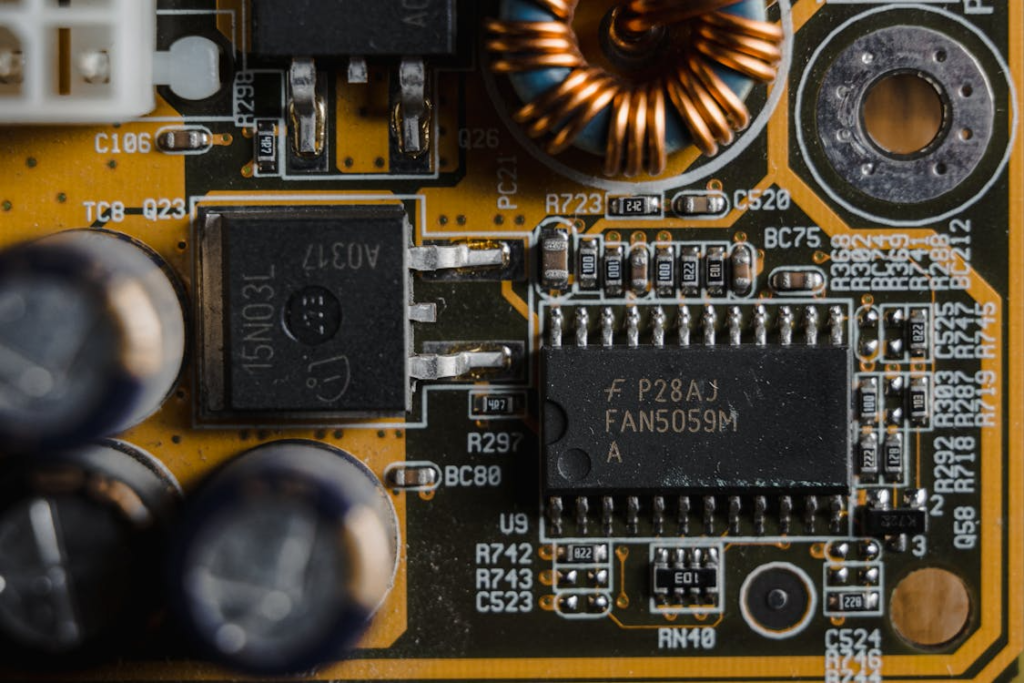
You can see this mindset in companies like OurPCB, where engineers constantly analyze how tiny components interact to create powerful circuits. Reading works the same way — sentences are circuits, ideas are signals, and your understanding is the current that flows through them.

Image from Pexels

Wait, what exactly is systems thinking?

Imagine standing in the middle of a city you’ve never visited. Cars, people, lights — everything moves with its own logic. Systems thinking teaches you not just to see what’s in front of you, but to trace how it all connects. It’s about relationships, not just components.

In simple terms, it’s the ability to step back and notice patterns between things. Engineers use it to predict how changing one variable affects an entire system. Readers can use it to grasp how one sentence shapes a paragraph, how one argument supports a conclusion, how one story connects to another in your own life.

It’s not fancy theory; it’s practical awareness. When you start reading like a systems engineer, you stop treating words like separate dots. You start seeing the web that links them.

The secret overlap between engineers and great readers

Think about how an engineer troubleshoots a problem. They don’t just stare at one broken wire; they look at the network it’s in. Good readers do the same thing with meaning.

Here’s what both groups share:

  • Pattern recognition: Engineers look for signal flow; readers look for narrative flow.
  • Feedback awareness: Engineers check if their designs respond well to input; readers notice when ideas loop back or reinforce earlier points.
  • Testing hypotheses: Engineers ask, “If I tweak this, what happens?” Readers ask, “If the author means this, what follows?”

This overlap matters because it shifts reading from passive to active. You’re no longer absorbing text. You’re running a live experiment inside your head.

Reading as mental engineering

Here’s a fun thought: every time you read, your brain is building a circuit. Words act like tiny resistors or conductors, shaping the flow of meaning. If a sentence confuses you, that’s a weak connection. If a story resonates, that’s a circuit firing smoothly.

So what can you learn from engineers here?
They don’t panic when a system doesn’t work. They map it. They sketch it out. They ask, “Where’s the bottleneck?” You can do the same when reading something dense — maybe it’s a tough financial model or a classic essay. Sketch the flow of ideas. Draw arrows between concepts. It’s not childish; it’s cognitive design.

Honestly, some of the most effective readers I know treat a paragraph like a motherboard. They track connections, isolate meaning, and test interpretations. It’s not about speed; it’s about architecture.

The “OurPCB principle” of clarity

OurPCB’s engineers don’t design circuits at random. They visualize every layer, trace every signal path, and anticipate failure points before they happen. Imagine applying that to reading. Instead of just highlighting quotes, you’d predict how a chapter will resolve. You’d test whether an argument supports its claim before accepting it.

There’s an elegance to that mindset — not rigid, but deliberate. Systems thinking helps you move from “What is this saying?” to “How does this fit into the larger structure?” That’s the real upgrade to comprehension. It’s the difference between memorizing and understanding.

You know what? This approach even helps with emotional reading — novels, essays, memoirs. Because systems thinking isn’t cold logic. It’s empathy with structure. When you notice how an author builds tension or releases emotion, you’re reading like an engineer listening to a signal. You’re attuned.

How to read with a systems mindset (without overcomplicating it)

Alright, let’s get practical. You don’t need a circuit board or a math degree. You just need a small shift in how you approach the page.

Try this:

  1. Spot the relationships, not just the facts. Ask yourself, “How does this idea connect to the last one?”
  2. Notice feedback loops. When a point repeats or evolves, that’s your clue it’s important.
  3. Zoom in, then zoom out. Engineers switch between micro and macro views constantly. Do the same — sentence, paragraph, whole text.
  4. Sketch the system. Even a quick diagram can reveal where meaning breaks down.
  5. Anticipate flow. Before turning the page, guess where the argument’s going. Then see if you were right.

This isn’t about adding work. It’s about creating a rhythm — active, curious, and connected.

Why your brain loves this approach

Here’s something fascinating. Neuroscientists say comprehension lights up the same brain areas as problem-solving. So when you read with systems thinking, you’re literally feeding your brain what it craves: patterns and prediction.

That’s why this method feels more engaging. It turns reading from a linear grind into a living puzzle. Each paragraph becomes a gear that fits into a larger machine. And when that machine clicks, your brain releases that satisfying “aha” spark — the same dopamine hit engineers feel when a design finally works.

Also, it sticks. Because meaning that’s built, not memorized, lasts longer. You retain it the way you remember how to ride a bike — as a process, not a list.

But wait, doesn’t this make reading feel mechanical?

Good question. It might sound like systems thinking removes the magic from reading. But the truth is the opposite. When you understand how the gears turn, you appreciate the beauty of the movement even more.

Think of a musician who studies composition. They still feel the music, but now they also see its structure. Systems thinking adds dimension, not detachment. It lets you enjoy both the melody and the mechanics.

And yes, sometimes the system breaks. You’ll misread a metaphor, miss a pattern, or hit a paragraph that refuses to click. That’s fine. Engineers fail forward all the time. The point isn’t perfection; it’s curiosity.

From complexity to calm

In a world where information floods every channel (see what I did there?), clarity feels rare. Systems thinking offers a quiet counterbalance — a way to slow down and connect dots intentionally. It’s how you move from confusion to comprehension, from scattered notes to symphony.

And maybe that’s what we’ve been missing about reading. It’s not just a skill or a habit. It’s a design problem — one we can actually solve.

So next time you open a book or a market report, try seeing it like a system. Notice the flow, trace the links, test the loops. You’ll be surprised how much more you retain, and how much calmer your mind feels when every idea finally fits.

Final Thought: Reading as an act of engineering empathy

There’s something poetic about this crossover between logic and language. Engineers build systems that work. Readers build systems that mean. When you combine both, you get an understanding that’s not just intellectual, but emotional — like the moment when a story, a theory, or even a financial model suddenly makes sense.

Systems thinking doesn’t replace creativity or intuition. It strengthens them. It teaches you to see structure in chaos, flow in noise, and sense in symbols. That’s how engineers think. And that’s how great readers grow.

So, grab your next book like you’d grab a toolkit. Not to fix it, but to explore it. Reading isn’t about turning pages anymore. It’s about turning on connections.

Are You Reading at Your Full Capacity?

Have you ever wondered if you’re reading at your full potential? Studies have shown that the average person reads at a rate of around 200-250 words per minute. But what if you could double or even triple that speed without sacrificing comprehension?

Speed reading isn’t just about reading faster; it’s about unlocking your brain’s full potential. By training your mind to process information more efficiently, you can improve your focus, concentration, and overall productivity.

The Benefits of Speed Reading

  • Improved Comprehension: Contrary to popular belief, speed reading can actually enhance your understanding of what you read. When you’re not bogged down by slow reading, your brain has more time to process and analyze the information.
  • Increased Focus and Concentration: Speed reading exercises can help you develop a sharper focus and better concentration skills. As you train your brain to process information quickly, you’ll become less distracted and more able to stay on task.
  • Boosted Productivity: Reading faster can save you countless hours and boost your productivity in various areas of life. Whether you’re a student, professional, or simply someone who loves to learn, speed reading can help you achieve more in less time.

How Spreeder Works

Spreeder is a revolutionary speed reading app that can help you reach your full reading potential. By using a technique called “spaced repetition,” Spreeder gradually increases your reading speed while ensuring that you maintain comprehension. The book Make It Stick published by Harvard University Press is a popular resource that discusses spaced repetition along with other effective learning techniques.

With Spreeder, you can:

  • Adjust your reading speed to suit your preferences.
  • Customize your reading experience with various settings.
  • Track your progress and set goals to stay motivated.

Overcoming Common Obstacles

Many people are hesitant to try speed reading because they fear that it will compromise their comprehension. However, countless studies have shown that speed reading techniques can actually improve understanding.

If you’re struggling to stay motivated, remember that consistency is key. Start with small, achievable goals and gradually increase your reading speed over time.

Conclusion

Are you ready to unlock your full reading potential? With Spreeder, you can learn to read faster, understand more, and achieve your goals more efficiently. Don’t settle for average reading speeds. Start using Spreeder today and experience the transformative power of speed reading.

Conquer Your To-Read List: The Best Fast Reading Apps & Software for Busy People

Feeling overwhelmed by your ever-growing to-read list? Drowning in emails, articles, and reports? You’re not alone. In today’s fast-paced world, information overload can be a constant struggle for busy people—especially when your inbox is cluttered or you’re unsure how to delete on Mac. But what if you could devour content faster and retain more information? Enter fast-reading apps and software. These tools can become your secret weapon for conquering your to-read list and reclaiming your time.

Why Choose Fast Reading Apps & Software?

Here’s how these innovative tools can benefit busy individuals:

  • Increased Productivity: Blast through your reading material, freeing up valuable time for other tasks.
  • Enhanced Learning: Efficiently extract key points from educational materials and reports.
  • Improved Focus: Train your brain to concentrate on the text, reducing distractions.
  • Reduced Stress: Eliminate the feeling of being snowed under by unread content.

Fast Reading Apps & Software: Beyond Skimming

Many misconceptions surround fast reading. It’s not just about racing through text blindly. Let’s explore some features offered by these apps and software:

  • Speed Training: Gradually increase your reading speed with customizable exercises and pacing techniques.
  • Focus & Attention Enhancers: Features like visual guides and text highlighting can help you stay focused.
  • Comprehension Reinforcement: Built-in quizzes and summarization prompts ensure you understand the material.
  • Personalized Training: Many tools offer customized learning paths based on your reading level and goals.

The Top Fast Reading Apps & Software for Busy People (2024 Update)

Ready to take charge of your reading? Here are some highly-rated options for busy people:

(Free Options):

  • NRP Speed Reading Software: Features free basic functionalities to practice pacing and comprehension.
  • Khan Academy: Offers video tutorials and interactive exercises to improve reading skills and comprehension strategies.

(Paid Options):

  • Spreeder: A user-friendly tool offering customizable speed reading exercises and comprehension checks.
  • Spritz: Employs a unique fast reading method called Rapid Serial Visual Presentation (RSVP) for quicker word absorption.
  • Eyewago: A comprehensive software program with personalized training modules, progress tracking, and advanced features.
  • Outlier.ai: An AI-powered reading platform that tailors the experience to your reading style and preferences.

Remember: There’s no one-size-fits-all approach. Experiment with different apps and software to find what optimizes your reading experience.

Tips for Success with Fast Reading Tools:

  • Start Slow & Gradually Increase Pace: Don’t jump straight into hyper-speed. Build your abilities progressively.
  • Focus on Comprehension: Speed is valuable, but understanding is key. Use built-in comprehension checks.
  • Practice Regularly: Consistent practice is vital for long-term improvement and retention.
  • Match the Tool to the Material: Choose apps with features suited to the type of content you’re reading (news, reports, etc.)

Conclusion

Fast-reading apps and software can be a game-changer for busy individuals. By harnessing the power of these tools, you can read faster, retain more, and finally conquer your ever-growing to-read list. So, take control of your time, empower your learning, and start reading like a pro!

Read Faster, Remember More: The Ultimate Guide to Speed Reading Courses & Online Tools (2024)

In today’s information age, we’re bombarded with content – emails, articles, reports – all vying for our limited attention. This begs the question: can we train ourselves to read faster and retain more information?

The answer is a resounding yes. Speed reading isn’t about skimming the surface; it’s about efficiently extracting key points and boosting comprehension. This guide equips you with the knowledge and resources to become a speed-reading master.

Why Speed Reading Matters

Here’s why mastering speed reading can be a game-changer:

  • Increased Productivity: Conquer your to-read list faster, freeing up valuable time.
  • Enhanced Learning: Devour educational materials and retain key information.
  • Improved Focus: Train your brain to concentrate on the text at hand.
  • Reduced Stress: Eliminate the feeling of being overwhelmed by information.

Speed Reading Techniques: Beyond Skimming

Many misconceptions surround speed reading. It’s not about racing through text blindly. Let’s explore some effective techniques:

  • Eliminate Subvocalization: Stop silently pronouncing words in your head.
  • Expand Your Visual Field: Train your eyes to absorb groups of words at a time.
  • Practice Active Reading: Engage with the text by summarizing and questioning.
  • Use a Pointer (Optional): Guide your eyes with a pen or finger for better focus.

The Best Speed Reading Courses & Online Tools (2024 Update)

Ready to put theory into practice? Here are some top resources to help you on your speed-reading journey:

(Free Options):

  • NRP Speed Reading Software: Offers free basic features to practice pacing and comprehension.
  • Khan Academy: Provides video tutorials and practice exercises to improve reading skills.

(Paid Options):

  • Spreeder: A free online tool that uses customizable speed reading exercises.
  • Spritz: An app that utilizes rapid serial visual presentation (RSVP) for speed reading.
  • Eyewago: A software program with personalized training modules and progress tracking.
  • Learning Ally: Offers audiobooks and speed-reading tools for learners with visual impairments or dyslexia.

Remember: There’s no one-size-fits-all approach. Experiment with different techniques and tools to find what works best for you.

Tips to Maximize Your Speed Reading Success:

  • Start Slow & Gradually Increase Pace: Don’t overwhelm yourself. Build speed progressively.
  • Focus on Comprehension: Don’t prioritize speed over understanding.
  • Practice Regularly: Consistent practice is key to long-term improvement.
  • Choose the Right Material: Start with easier texts before tackling complex content.

Conclusion

Speed reading, when practiced effectively, can be a valuable tool for anyone who wants to consume information efficiently and improve learning outcomes. With the right techniques and resources, you can transform yourself from a slow reader to an information-devouring machine. So, what are you waiting for? Start your speed-reading journey today!

Master Text with Flashing Words: The Future of Efficient Reading (2024)

In today’s information age, we’re constantly bombarded with content – articles, emails, reports – all vying for our limited attention. We yearn to devour knowledge but struggle to keep pace with the ever-growing volume. Traditional reading methods often leave us feeling overwhelmed and yearning for a more efficient approach. Enter flash word reading, a revolutionary technique poised to transform the way we consume information.

What is Flash Word Reading?

Flash word reading, also known as Rapid Serial Visual Presentation (RSVP), utilizes a unique approach to accelerate reading speed while enhancing comprehension. Unlike traditional reading where your eyes scan across lines of text, flash word reading presents words (or groups of words) one at a time, right in the center of your vision. This eliminates subvocalization (that inner voice reading along) and minimizes regressions (going back to reread something).

Master Text with a Flash Word Reading App:

Flash word reading apps empower you to unlock the potential of this innovative technique. These apps offer a variety of features to:

  • Expand Your Visual Capacity: Many apps employ visual training methods to expand your peripheral vision. This allows you to take in more words with each flash, further increasing your reading speed.
  • Personalized Training Programs: Flash word reading apps aren’t a one-size-fits-all solution. They often provide personalized training programs that identify weaknesses (e.g., focus, vocabulary) and offer targeted exercises for improvement.
  • Interactive Engagement: The best apps go beyond simply flashing words. They incorporate interactive quizzes, summaries, and open-ended questions to solidify your understanding and ensure you’re actively engaged with the content.
  • Adaptive Learning: Flash word reading apps constantly adjust the difficulty based on your performance, keeping you challenged and motivated throughout your learning journey.

Benefits Beyond Blazing-Fast Reading Speed:

Mastering text with flash words goes far beyond simply reading faster. You’ll also experience:

  • Enhanced Focus and Concentration: Flash word reading training methods sharpen your ability to filter out distractions and stay focused on the task at hand. This translates to increased productivity across all areas of your life.
  • Boosted Critical Thinking Skills: Flash word reading encourages active engagement with the material. You’ll learn to analyze arguments, identify key points, and form your own well-informed opinions.
  • Improved Memory and Retention: The structured approach and consistent practice with flash word reading apps strengthen your ability to retain information for longer periods.

Embrace the Future of Reading:

Flash word reading is not just a fad; it’s a powerful tool with the potential to revolutionize the way we consume information. Download a flash word reading app today and experience the transformative power of efficient, comprehension-focused reading.

Here are some additional tips to optimize your flash word reading experience:

  • Start slow and gradually increase your reading pace.
  • Find an app that aligns with your learning style.
  • Practice regularly to see continuous improvement.

Embrace the future of reading and unlock a world of knowledge with flash word technology!

Students: Master Speed Reading & Ace Your Exams with These Apps

Feeling overwhelmed by textbooks and study guides? Drowning in a sea of information as exams approach? Don’t worry, you’re not alone. But what if you could transform your reading from a slow slog to a focused sprint, absorbing key concepts faster and retaining more information?

Speed reading apps can become your secret weapon, equipping you with the skills to conquer your studies and ace those exams. Here are some top contenders to explore:

1. Spreeder:

  • Master of Disguise: Spreeder utilizes a technique called RSVP (Rapid Serial Visual Presentation), displaying text one snippet at a time. This trains your eyes to grasp larger chunks of information, boosting your reading speed.
  • Focus Champ: Spreeder eliminates distractions by presenting only the core text, allowing you to lock in and retain key concepts more effectively.
  • Vocabulary Powerhouse: Integrate vocabulary-building features into your reading routine, expanding your knowledge base while devouring content.

2. ReadMe!:

  • Chunking Champion: ReadMe! breaks down text into manageable chunks, enhancing your ability to process information efficiently.
  • Comprehension Coach: Don’t just read fast, read smart! ReadMe! includes built-in comprehension quizzes to ensure you’re grasping the material.
  • Customization King: Tailor your learning experience with adjustable reading pace and various reading modes to suit your learning style.

3. Outread:

  • Content Conqueror: Outread integrates seamlessly with popular websites and learning platforms, allowing you to speed-read directly from your existing study materials.
  • Highlight Hero: Struggling to remember key points? Highlight important passages within the app and easily review them later.
  • Progress Tracker: Stay motivated by monitoring your reading speed progress and celebrating your achievements as you improve.

4. QuickReader:

  • Visual Learner’s Ally: QuickReader incorporates mind maps and visual aids to enhance comprehension and information retention, particularly helpful for visual learners.
  • Practice Makes Perfect: Regularly practice speed reading drills within the app to refine your skills and build reading stamina.
  • Dictionary at Your Fingertips: Encounter an unfamiliar word? No problem! QuickReader integrates a built-in dictionary for instant lookups.

Remember: Speed reading is a skill that requires practice.

  • Start Slow: Begin with manageable reading speeds and gradually increase as your comfort level grows.
  • Focus on Comprehension: Don’t prioritize speed over understanding. Use built-in quizzes or create your own flashcards to solidify your knowledge.
  • Consistency is Key: Dedicate regular practice time to hone your skills. Integrate speed reading sessions into your study routine.

By incorporating a speed reading app into your study arsenal, you can transform the way you learn. Devour more information, retain key concepts, and ultimately conquer those exams!

Boost Reading Speed & Comprehension: Top Online Programs for 2024

Feeling overwhelmed by the ever-growing mountain of online content? Drowning in articles, drowning in emails, drowning in… well, you get the picture. Wouldn’t it be amazing to conquer those digital mountains and emerge victorious, with a newfound mastery over online reading? Speed reading programs can be your secret weapon, transforming you from a sluggish web surfer into a content-consuming champion.

This guide dives into the world of online speed reading, exploring the top programs of 2024 designed to help you blaze through webpages, articles, and online documents with lightning speed.

Why Speed Reading Online Matters More Than Ever

In today’s digital age, information flows at breakneck speed. News sites update constantly, blogs pump out fresh content daily, and social media feeds overflow with articles and posts. Speed reading online empowers you to:

  • Become a Master of Information: Stay ahead of the curve by efficiently processing online content. Catch up on current events, delve deeper into your interests, and learn new things – all without feeling bogged down by endless reading.
  • Boost Productivity: Imagine reclaiming hours each week by consuming online materials at an accelerated pace. Free up valuable time for other tasks, hobbies, or simply catching your breath in the digital whirlwind.
  • Improve Comprehension: Contrary to popular belief, speed reading can actually enhance your understanding of the material. By learning to identify key points and filter out irrelevant details, you gain a deeper grasp of the author’s message.

Top Online Speed Reading Programs for 2024

The landscape of online speed reading programs is rich with options, each catering to different learning styles and needs. Here’s a breakdown of the best in 2024:

  • Spreeder (Highly Rated & Versatile): A juggernaut in the speed reading world, Spreeder offers a robust online platform accessible from any device. It combines traditional speed reading techniques with guided training and warm-up drills. Spreeder excels in versatility, allowing you to tackle websites, PDFs, and even emails at accelerated speeds.
  • EyeQ X (Advanced and Gamified): This program takes a unique approach, blending traditional speed reading exercises with interactive games and challenges. EyeQ X keeps learning engaging and motivates you to push your limits. It offers advanced features like progress tracking, personalized goals, and brain training exercises to further enhance cognitive skills.
  • ReadQuick Online (Simple & Effective): Perfect for beginners, ReadQuick Online focuses on core speed reading techniques in a user-friendly online format. This program provides adjustable reading speeds, clear training exercises, and progress tracking to help you navigate the online world with newfound efficiency.
  • Outread (Fun & Interactive): Outread injects a dose of fun into speed reading with a gamified approach. Earn points, unlock achievements, and compete with friends as you tackle online articles and documents. This program is a great choice for learners who thrive on competition and enjoy a more interactive learning experience.

Choosing the Right Program for You:

With so many options, how do you pick the perfect one? Here are some factors to consider:

  • Learning Style: Do you prefer a structured and traditional approach like Spreeder, or a more interactive and gamified experience like EyeQ X?
  • Features: Consider the features most important to you. Do you need progress tracking, vocabulary building tools, or integration with specific browsers or email clients?

Budget: Many programs offer freemium models with limited features or trial periods. Consider your budget and learning goals before committing to a paid subscription.

Beyond the Programs: Additional Tips for Speedy Online Reading

Speed reading programs are a powerful tool, but here are some additional tips to maximize your online reading efficiency:

  • Eliminate Distractions: Close unnecessary browser tabs, silence notifications, and find a quiet space to focus on the text.
  • Scan First, Read Second: Don’t dive headfirst into every paragraph. Quickly scan headings, subheadings, and bolded text to grasp the overall structure and identify key points.
  • Practice Active Reading: Engage with the content! Ask yourself questions, visualize what you’re reading, and summarize key points in your own words.

By harnessing the power of online speed reading programs and these helpful tips, you can transform your online reading experience. Start your journey today and become a master of the digital content jungle!

Read Faster, Remember More: Your Guide to Speed Reading

In today’s information age, individuals are constantly bombarded with text. Electronic messages accumulate in inboxes, news articles flood social media feeds and reports demand immediate attention. This phenomenon, known as information overload, can leave many feeling overwhelmed and struggling to keep pace. However, a valuable skill known as efficient reading can empower individuals to navigate this textual landscape with confidence and control.

This article dispels the misconception that slow reading is the sole path to comprehension. It delves into the secrets of efficient reading, exploring powerful techniques and strategies that will transform individuals from sluggish readers into formidable information processors.

The Advantages of Efficient Reading

The benefits of efficient reading extend far beyond simply saving time. Here’s how mastering this skill can empower individuals:

  • Enhanced Information Management: Efficient reading equips individuals to process information at a faster rate, fostering a sense of control and empowerment in the face of ever-growing reading lists.
  • Improved Comprehension: Contrary to popular belief, efficient reading can actually enhance understanding of the material. By learning to identify key points and filter out irrelevant details, individuals gain a deeper grasp of the author’s message.
  • Time Optimization: Imagine devouring lengthy reports or assigned readings in a fraction of the time previously required. Efficient reading liberates valuable hours for other pursuits, boosting overall productivity.
  • Sharpened Focus: The cognitive skills honed through efficient reading – such as rapid information absorption and filtering – have a positive impact beyond the realm of text. Individuals will find their overall focus and concentration improve in other areas of life, from tackling complex tasks to maintaining attention during meetings.

Unveiling the Secrets: Techniques for Efficient Reading

Ready to transition from a slow and steady approach to an efficient and effective reading process? Here are some key techniques to integrate into your reading practice:

  • Expanded Visual Field: Most readers focus on a single word at a time, significantly limiting their intake. Efficient reading encourages expanding the visual field, allowing individuals to take in groups of words or even entire phrases with a single glance. Practices like focusing on a specific point while rapidly moving your head side-to-side can train the eyes to absorb wider chunks of text.
  • Silent Reading: This simply refers to the practice of reading without internal vocalization (the act of “sounding out” the words in your head). Silent reading is crucial for efficiency, as subvocalization significantly slows you down. Practice reading silently and focus on comprehending the meaning of the text without the internal narration.
  • Active Engagement: Don’t be a passive recipient of information! Engage with the text by asking yourself questions – what is the author’s main point? What evidence do they provide? Anticipate upcoming points and visualize what you’re reading. Taking notes, underlining key passages, or creating mental maps can further solidify your understanding.
  • Strategic Scanning: Not all information requires in-depth reading. Learn to scan for specific details by skimming headings, subheadings, bold text, and introductory paragraphs. This allows individuals to quickly locate the information they need, especially in emails, reports, or research papers.

By incorporating these techniques into your reading practice, you’ll be well on your way to becoming an efficient reader. Remember, consistent practice is key to success.

Beyond Slow Reading: Discover the Secrets of Efficient Reading

In our fast-paced world, information bombards us from all sides. Between endless emails, news articles, and reports, keeping up with the constant influx of text can feel overwhelming. But what if you could devour information faster and retain more from what you read? Enter the world of efficient reading – a superpower that equips you to conquer information overload and unlock a world of knowledge.

This article dismantles the myth of slow reading being the only path to comprehension. We’ll delve into powerful techniques and strategies to transform you into an efficient reading machine.

Why Efficient Reading Matters

  • Conquer Information Overload: Efficient reading allows you to process more information in less time, making you feel less overwhelmed and more in control.
  • Boost Comprehension: Contrary to popular belief, efficient reading can actually improve comprehension by teaching you to identify key points and filter out irrelevant details.
  • Save Time: Imagine devouring that lengthy report or assigned reading in a fraction of the time! Efficient reading frees up valuable time for other pursuits.
  • Enhanced Focus: By training your brain to absorb information quickly, you can improve your overall focus and concentration in other areas of life.

Unveiling the Secrets: Techniques for Efficient Reading

Ready to ditch the slow and steady approach? Here are some key techniques to integrate into your reading practice:

  • Dilate Your Eyespan: The average reader focuses on a single word at a time. Efficient reading expands your visual field, allowing you to take in groups of words or even entire phrases with a single glance. Practices like focusing on a specific point while rapidly moving your head side-to-side can help with this.
  • Minimize Subvocalization: This fancy term simply refers to the inner voice in your head that “sounds out” the words you read. Silent reading is crucial for efficient reading, as subvocalization significantly slows you down. Practice reading silently and focus on comprehending the meaning of the text without the internal narration.
  • Active Reading is Key: Don’t be a passive reader! Engage with the text by asking yourself questions, anticipating upcoming points, and visualizing what you’re reading. Take notes, underline key passages, or create mental maps to solidify your understanding.
  • Utilize Scanning Techniques: Not all information requires in-depth reading. Learn to scan for specific details by skimming headings, subheadings, bold text, and introductory paragraphs. This allows you to quickly locate the information you need.

Fueling Your Progress: Tips for Success

  • Warm Up Your Brain: Before diving into a reading session, engage in some light brain exercises or puzzles to prime your cognitive function.
  • Start Slow and Gradually Increase Speed: Don’t try to break the world record on day one! Begin with a comfortable reading speed and gradually increase the pace as your skills improve. Consistency is key, so aim for short, focused practice sessions daily.
  • Find Your Reading Sweet Spot: The ideal reading speed varies depending on the text and your purpose. Experiment to find the pace that allows you to absorb information efficiently.
  • Take Breaks to Maintain Focus: Avoid mental fatigue! Take short breaks every 15-20 minutes to prevent your focus from fading and allow your brain to process what you’ve read.

Beyond the Basics: Additional Strategies

  • Explore Speed Reading Techniques: While efficient reading isn’t solely about speed, some speed reading techniques, like paced readers (tools that highlight text at a predetermined speed), can be helpful for training your brain to process information faster.
  • Leverage Technology: There are many apps and online resources available that offer speed reading exercises, comprehension quizzes, and personalized reading plans.

Embrace the Journey, Unlock Your Potential!

With dedication, the right techniques, and consistent practice, you can transform your reading skills and become an efficient reading master. Devour information with newfound speed and clarity, conquer information overload, and unlock a world of knowledge previously hidden behind walls of text. So, pick up a book, embrace the efficient reading revolution, and start devouring information like a champ!